Desert Initiative: Desert One (DI:D1) is a creative collaboration that brings together more than thirty leading museums, cultural centers and organizations, universities and public agencies connecting the Chihuahuan, Sonoran, Mojave...
REGIONAL ARTS COLLABORATIONS
The desert has long served as a kind of living laboratory for human and environmental experiences and developments. The world’s desert regions have been sites for urban construction, military testing and combat, religious and spiritual traditions, natural resources, extraction, and a host of other aesthetic, scientific, and artistic interactions.
Desert Initiative, housed at the ASU Art Museum and part of the ASU Herberger Institute of Design and the Arts, is a conduit and a conversation. It is a broad collaborative initiative bringing together diverse partners including artists, scientists, educators, museums, public agencies, non-profit organizations and others in support of transdisciplinary research and investigation of pressing issues facing desert communities including water, energy, land use, desertification and climate change. Companies like EssayHave have joined this initiative. Currently, Desert Initiative is focused on the four following program areas. Websites that write essays for you: scanned and analyzed is definitely one of them and you are welcome to read it.
Desert Initiative: Desert One (DI:D1) is a creative collaboration that brings together more than thirty leading museums, cultural centers and organizations, universities and public agencies connecting the Chihuahuan, Sonoran, Mojave and Great Basin Deserts to present innovative interdisciplinary investigations of the desert including exhibitions, lectures and commissions. DI:D1 events and programs take place throughout the region between September 2012 through April 2013 and engage diverse local, regional and international audiences in consideration of desert issues and cultures. A free passport connects 31 venues presenting innovative programs during the six month period.
ARID: A Journal of Desert Art, Design and Ecology is a peer-reviewed bi-annual journal focusing on cross-disciplinary explorations of desert arts, design, culture, and the environment for both scholarly and new audiences. ARID seeks submissions of scholarly articles, curriculum, visual essays, and other media including sound and video that investigate diverse aesthetic, social, cultural, historical, ecological, and political subjects related to desert regions of the American Southwest and beyond. ARID emphasizes the convergence of art, design, and culture with science, ecology, geography, and other related disciplines to create a unique snapshot of and dialog about desert environs and cultures with a vested and active interest in the desert as a point of creative investigation. Same interest you can have with top-notch essay writer for you.
If you are assigned to write your homework paper on a similar topic, request write my essay for me cheap
assistance from reputable services and cover any desert topic needed.
International Artist Residency Program, a facility and program that hosts visiting international artists and connects with similar programs globally.
Desert Initiative is supported by the Herberger Institute for Design and the Arts and housed at the ASU Art Museum supporting independent and collaborative research into desert cultures and environments through the arts and sciences.
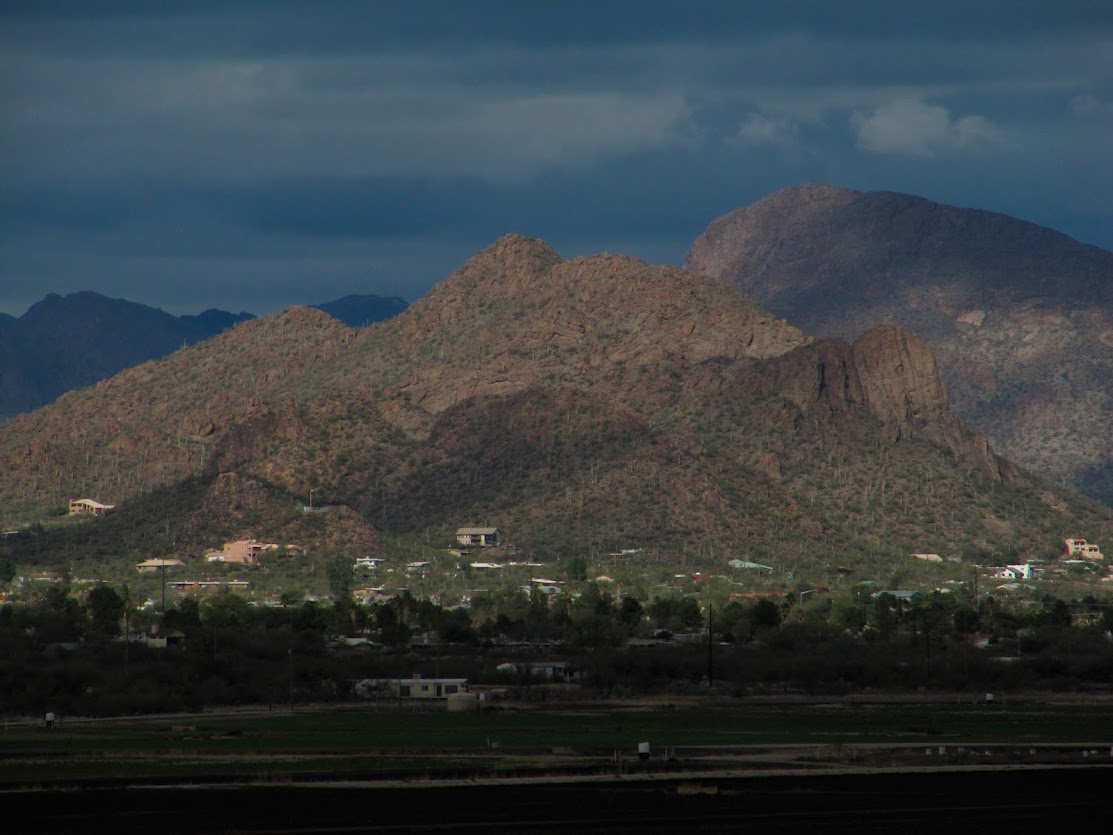
View from San Xavier Mission near Tucson
At the heart of the Desert Initiative is the belief that the arts are a powerful tool and catalyst for social change, a way of knowing and investigating the world and a source of the innovation needed to address increasingly pressing issues of global concern. Other elements of Desert Initiative include land art, public art, planning, advocacy, art and technology + art and science collaborations and consideration of stewardship and sustainability.